
Today, I’m going to tell a fascinating story which will take us back to the series my last post interrupted .
The series I interrupted was about atheism, secularism, religion, and education, in response to some questions from a reader. Rather heavy, I suppose. So, in my previous post I lightened the reading up by telling you a heartwarming story from my own experience recently in which I spent three days with two friends from high school, our memories reaching back many decades. I hope you enjoyed the account and photos.
Today’s true story reaches back to World War II (yes, before my time!). I referred to this incident in my post on September 14. I have included this story in chapter 11 of my unpublished Bible study, A Traveler’s Guide through Suffering and Joy. This is the story of “Richard and The Crude Russian Officer”.
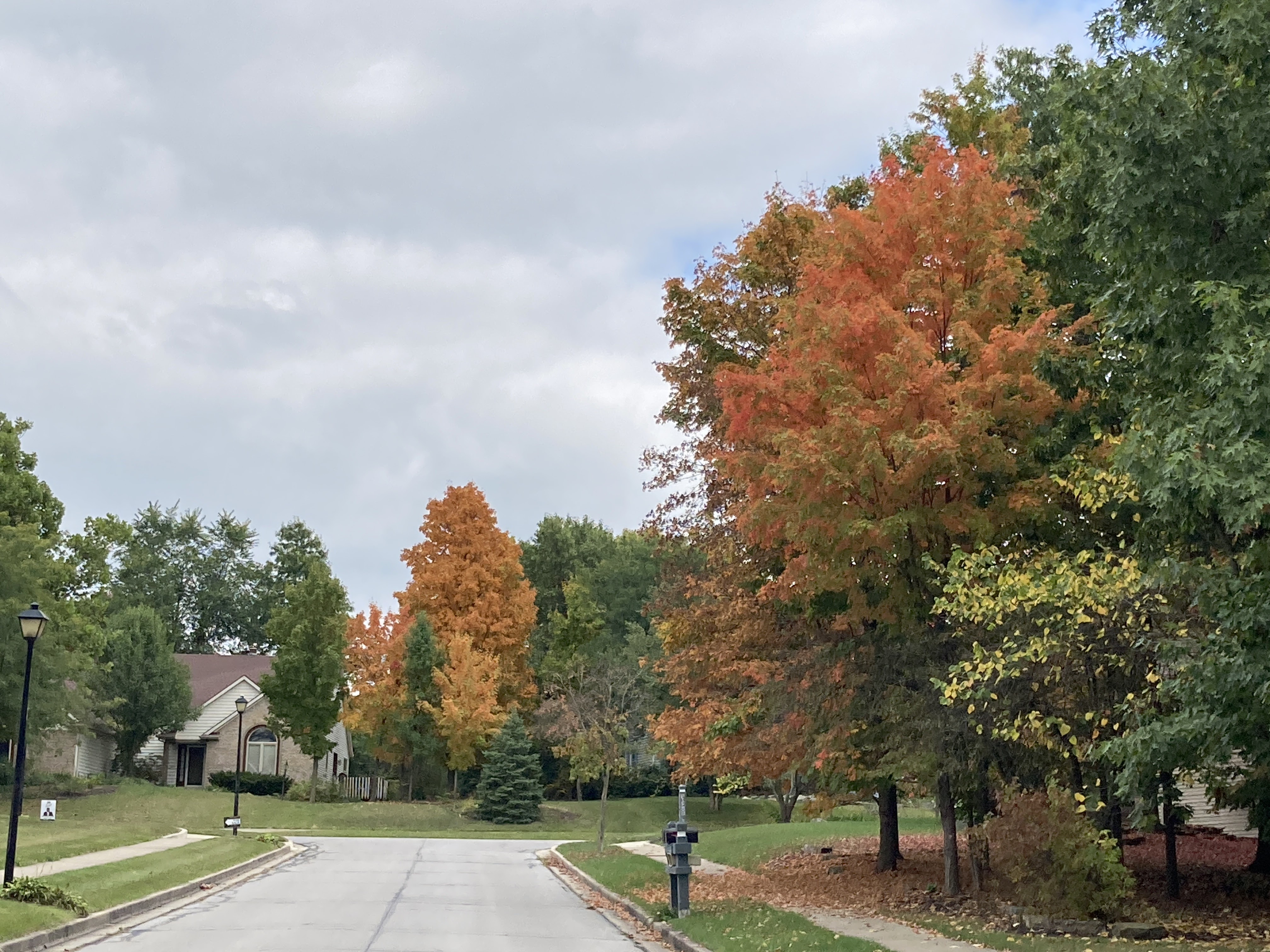
Last week I took this photo a few blocks from our home. The trees are changing color earlier this year. I wonder, “What time of year did the Russian officer meet Richard?” I don’t know, but the meeting brought more color into the lives of each man, and mine too, just by reading the story.


 Journey North Character